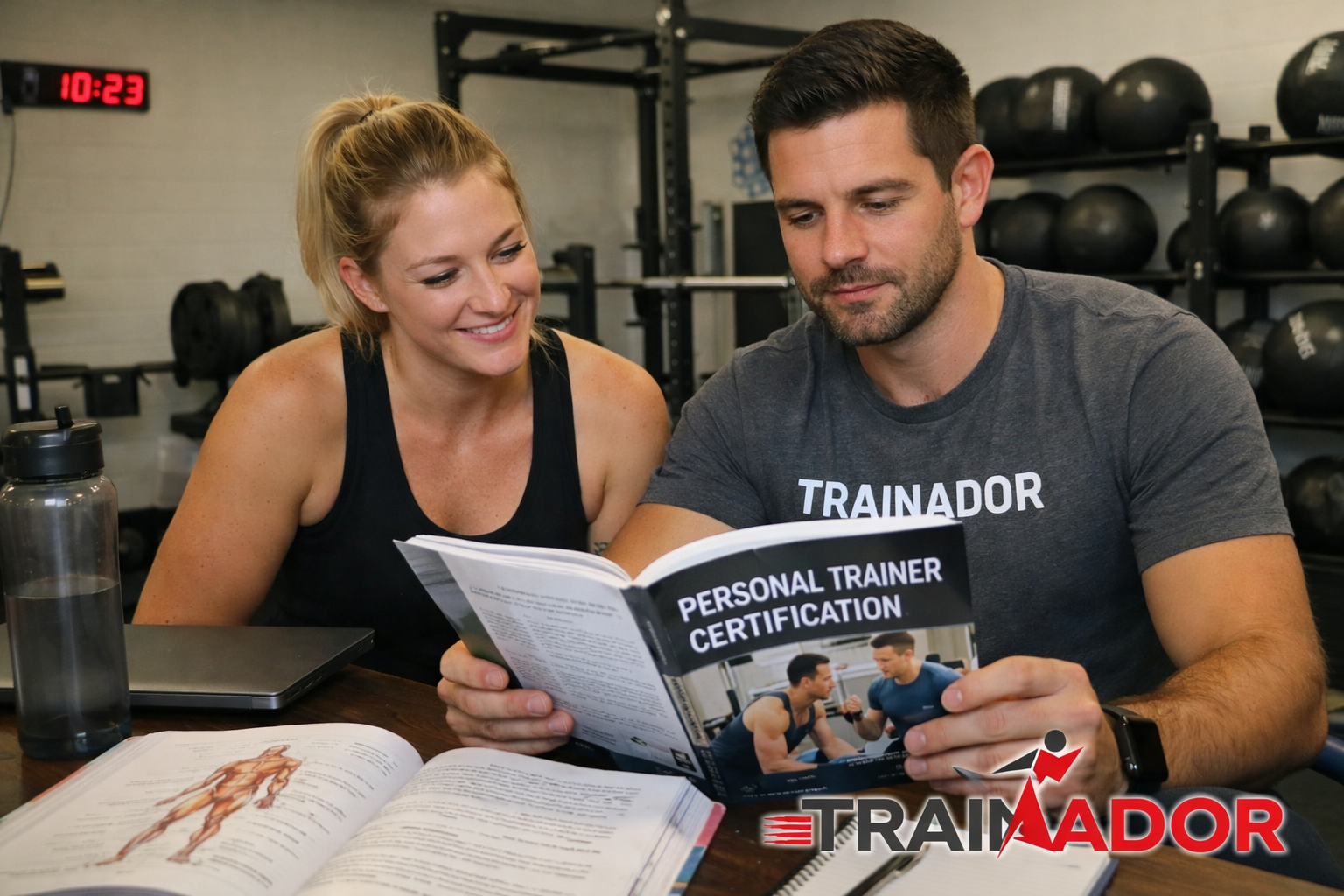
The fitness industry is growing faster than ever. With more people prioritizing health, strength, and longevity, the demand for qualified personal trainers continues to rise. But in an industry filled with social media influencers and self-proclaimed experts, one thing separates professionals from amateurs: education and certification.
If you’re considering a career in fitness—or looking to elevate your current training career—understanding the importance of structured education and professional certification is essential. At Trainador, we believe that great trainers are built on knowledge, credibility, and continuous learning.
Let’s explore why education for personal trainers matters and how certification can shape your success.
The Foundation of a Successful Personal Training Career
Being passionate about fitness is a great start—but passion alone is not enough.
A professional personal trainer must understand:
- Human anatomy and physiology
- Exercise science and biomechanics
- Nutrition fundamentals
- Injury prevention and recovery
- Client psychology and motivation
- Program design and periodization
Without formal education, trainers may rely on guesswork, trends, or misinformation. This not only limits results but can also put clients at risk.
Structured education programs—like those offered through reputable institutions—ensure trainers develop a strong scientific foundation. When you understand why an exercise works, not just how to perform it, you become a results-driven professional.
Why Certification Matters in the Fitness Industry
1. Builds Credibility and Trust
Clients trust certified trainers more.
When someone hires a personal trainer, they are investing in their health. They want assurance that their trainer understands safe training protocols and effective programming methods. Certification acts as proof that you meet professional standards.
In a competitive market, having recognized credentials immediately differentiates you from uncertified trainers.
2. Ensures Client Safety
Improper training can lead to serious injuries.
Certified trainers learn how to:
- Conduct proper client assessments
- Identify contraindications
- Modify exercises for injuries
- Design safe progression plans
Understanding risk management is a crucial part of professional education. A well-educated trainer reduces liability and protects both themselves and their clients.
3. Increases Career Opportunities
Most gyms, health clubs, and corporate wellness programs require certification.
Without proper credentials, your opportunities may be limited to informal training or freelance work. Certification opens doors to:
- Commercial gyms
- Private studios
- Online coaching platforms
- Corporate wellness programs
- Sports performance facilities
If you want long-term growth in the fitness industry, certification is not optional—it’s essential.
4. Boosts Earning Potential
Certified trainers typically earn more than uncertified ones.
Why? Because:
- Clients are willing to pay more for qualified professionals
- Employers prefer certified candidates
- Advanced certifications allow for specialization
Specializations such as strength & conditioning, corrective exercise, weight loss coaching, or sports performance can significantly increase your income potential.
Education isn’t an expense—it’s an investment in your earning power.
The Role of Continuing Education
The fitness industry evolves constantly.
New research emerges on:
- Recovery methods
- Functional training
- Mobility techniques
- Nutrition science
- Performance optimization
Great trainers never stop learning.
Continuing education ensures you stay relevant, updated, and competitive. It also improves client results, which directly impacts retention and referrals.
At Trainador, we emphasize lifelong learning because true professionals continuously refine their skills.
What Makes a Quality Personal Trainer Education Program?
Not all certifications are created equal. When choosing a program, look for:
1. Science-Based Curriculum
A quality program should focus on evidence-based training principles, not fitness fads.
2. Practical Application
Understanding theory is important—but applying it is critical. Hands-on learning prepares trainers for real-world scenarios.
3. Comprehensive Assessment Training
Client screening and assessment skills are essential for safe programming.
4. Business & Marketing Knowledge
Being a great trainer isn’t enough—you also need to know how to attract and retain clients.
5. Ongoing Support
Mentorship, community, and continued learning resources help trainers grow beyond certification.
Trainador focuses on developing well-rounded fitness professionals who combine science, practice, and professionalism.
Certification vs. Experience – Which Is More Important?
Many people ask: “Is certification more important than experience?”
The truth is—you need both.
Certification gives you structured knowledge and credibility. Experience teaches you client interaction, problem-solving, and adaptability.
Education provides the roadmap. Experience teaches you how to navigate it.
Starting with certification ensures that your experience is built on correct principles rather than trial and error.
The Risks of Skipping Certification
Some aspiring trainers believe they can rely solely on personal fitness experience.
However, this approach can lead to:
- Improper programming
- Increased injury risk
- Lack of professional recognition
- Limited career growth
- Reduced client trust
The fitness industry is becoming more regulated and professional. Certification protects your reputation and establishes you as a serious professional.
How Certification Impacts Client Results
Certified trainers deliver better results because they:
- Understand progressive overload
- Design periodized programs
- Apply recovery principles
- Monitor client performance
- Adjust plans based on feedback
Better results lead to:
- Higher client retention
- More referrals
- Stronger professional reputation
- Increased income stability
When clients see consistent progress, they stay longer—and that builds a sustainable career.
Online Training & The Importance of Professional Standards
With the rise of online coaching, barriers to entry are lower than ever. Anyone can create a fitness page and start selling programs.
But credibility matters more than ever in the digital space.
Clients researching trainers online often look for:
- Certifications
- Education background
- Professional affiliations
- Testimonials
Certification strengthens your personal brand and gives potential clients confidence in your expertise.
The Future of Personal Training
The modern personal trainer is no longer just someone who counts reps.
Today’s successful trainers are:
- Educators
- Motivators
- Accountability partners
- Movement specialists
- Lifestyle coaches
This level of responsibility requires structured education and professional development.
As the industry continues to grow, certified and educated trainers will stand out as leaders.
Final Thoughts
If you’re serious about building a long-term career in fitness, education and certification are not optional—they are foundational.
Certification:
- Builds credibility
- Ensures safety
- Increases career opportunities
- Enhances earning potential
- Improves client results
At Trainador, we believe that empowered trainers create empowered clients. Investing in your education is the first step toward becoming a respected fitness professional.
Whether you’re starting your journey or looking to elevate your expertise, remember: knowledge builds confidence, certification builds credibility, and continuous education builds lasting success.
Your fitness career deserves a strong foundation—start with education, and let certification pave the way forward.