
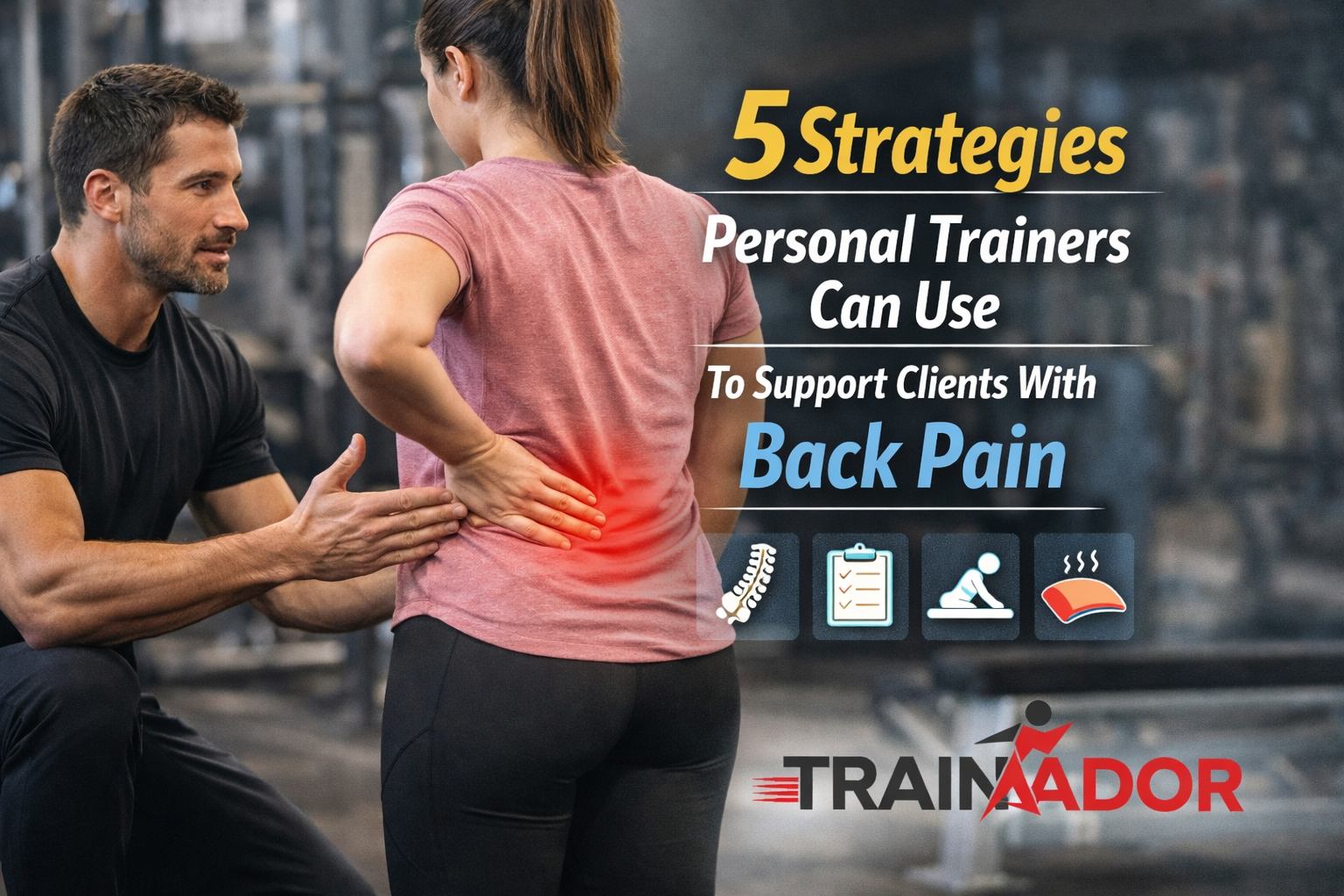
Back pain is one of the most common reasons people seek help from personal trainers. Whether caused by prolonged sitting, poor posture, previous injuries, or lifestyle factors, back pain can significantly impact a client’s quality of life and their ability to exercise comfortably. As a personal trainer, you are in a unique position to guide clients toward safer movement, improved function, and long-term pain management.
However, supporting clients with back pain requires a thoughtful, evidence-informed approach. The goal is not just to avoid pain but to help clients build resilience, strength, and confidence in their bodies. Below are five practical strategies personal trainers can use to safely and effectively support clients with back pain.
1. Start With a Thorough Assessment and Clear Communication
Every client with back pain presents a different history, set of triggers, and movement limitations. Before designing any program, take time to assess their condition and understand their pain experience.
Key steps include:
- Health and injury history: Ask about past injuries, surgeries, chronic conditions, and when the back pain started.
- Pain patterns: Identify what movements aggravate or relieve pain (e.g., sitting, bending, lifting, twisting).
- Lifestyle factors: Consider daily habits such as desk work, driving, sleep posture, and stress levels.
- Movement screening: Evaluate posture, mobility, core stability, and basic functional movements like squats, hinges, and walking.
Equally important is clear communication. Let clients know that your role is not to diagnose or treat medical conditions, but to support movement, strength, and functional fitness. If red flags appear (such as severe pain, numbness, weakness, or recent trauma), refer them to a qualified healthcare professional.
By building trust and understanding, you can tailor programs that respect their limits while promoting progress.
2. Focus on Core Stability and Deep Muscle Activation
A strong, well-coordinated core is essential for protecting the spine and reducing back pain. However, many clients with back pain have poor activation of deep stabilizing muscles, such as the transverse abdominis and multifidus.
Effective core strategies include:
- Low-load stabilization exercises: Start with exercises like bird dogs, dead bugs, side planks, and glute bridges.
- Breathing techniques: Teach diaphragmatic breathing and proper bracing to improve spinal stability.
- Progressive loading: Gradually increase resistance and complexity as the client builds strength and control.
Avoid rushing into heavy compound lifts or high-impact movements until the client demonstrates good control and tolerance. The goal is to create a stable foundation that supports daily activities and more advanced training later.
3. Improve Mobility Without Overstretching
Many clients assume stretching is the solution to back pain, but excessive or poorly targeted stretching can sometimes worsen symptoms. Instead, focus on balanced mobility—improving movement where it is restricted while maintaining stability where needed.
Areas to prioritize:
- Hip mobility: Tight hip flexors and limited hip rotation often contribute to lower back strain. Incorporate hip flexor stretches, hip rotations, and controlled lunges.
- Thoracic spine mobility: Gentle thoracic rotations and extensions can reduce stress on the lumbar spine.
- Ankle and shoulder mobility: Limitations in these areas can alter movement patterns and increase spinal load.
Use slow, controlled mobility drills rather than aggressive stretching. Encourage clients to move within pain-free or low-pain ranges, and avoid forcing end ranges of motion.
4. Teach Proper Movement Patterns and Posture
Poor movement mechanics are a common driver of chronic back pain. Personal trainers play a crucial role in teaching clients how to move efficiently during both exercise and daily life.
Key movement skills to coach:
- Hip hinging: Teach clients to hinge at the hips rather than rounding the lower back during lifting and bending.
- Neutral spine alignment: Reinforce neutral spine during exercises like squats, deadlifts, and rows.
- Bracing during effort: Show clients how to brace their core before lifting, pushing, or pulling.
- Postural awareness: Encourage upright posture during sitting, standing, and walking, and suggest ergonomic adjustments when possible.
Use cues, mirrors, video feedback, and tactile coaching to help clients internalize proper technique. Small improvements in movement patterns can significantly reduce strain on the spine.
5. Build Confidence Through Progressive, Pain-Informed Training
Clients with back pain often fear movement, worrying that exercise will make their pain worse. This fear can lead to avoidance, deconditioning, and greater disability over time. One of your most important roles is to help clients rebuild confidence in their bodies.
Strategies to build confidence include:
- Pain-informed progression: Start with exercises that feel safe and manageable, then gradually increase load, volume, and complexity.
- Positive reinforcement: Celebrate small wins, such as improved range of motion, reduced discomfort, or better posture.
- Education: Explain that some mild discomfort can be normal, but sharp or worsening pain is a signal to modify or stop.
- Functional goals: Tie training to real-life activities, such as lifting groceries, sitting comfortably, or playing with children.
By creating a supportive environment and demonstrating that movement can be safe, you empower clients to stay active and engaged in their recovery.
Final Thoughts
Supporting clients with back pain requires patience, education, and a client-centered approach. As a personal trainer, your influence extends beyond workouts—you help clients reshape their relationship with movement and pain.
By conducting thorough assessments, strengthening the core, improving mobility, teaching proper movement patterns, and building confidence through progressive training, you can make a meaningful difference in your clients’ lives. Not only will you help them manage pain, but you’ll also guide them toward long-term strength, resilience, and improved quality of life.
If you want to enhance your expertise in working with special populations and pain-sensitive clients, consider continuing education programs and certifications that deepen your understanding of corrective exercise and functional training. With the right knowledge and approach, you can become a trusted ally in your clients’ journey toward a healthier, pain-free back.